
System error.
Please try again.


Are you looking for home parenteral nutrition (HPN) for individuals with inoperable malignant bowel obstruction, intestinal failure, severe malabsorption, or other conditions that prevent normal food intake?
Are you wondering what parenteral nutrition is and how it relates to an HPN diagnosis?
Are you looking for information on the ESPEN guidelines and how to reference them?
If you are seeking information on parenteral nutrition at home, home parenteral nutrition complications, home parenteral nutrition framework, or parenteral nutrition methods, we are here to provide guidance on when a patient should consider starting parenteral nutrition according to ESPEN guidelines.
Home Parenteral Nutrition (HPN), an approach administered beyond the confines of a hospital, offers a myriad of advantages. These benefits include the reduction in hospital admissions and discharges, consequently lowering the risk of acquiring nosocomial infections—those associated with healthcare facilities. This approach is not only cost-effective but also time-saving, providing individuals the convenience and familiarity of receiving care in the comfort of their own homes.
By allowing patients to remain in a familiar environment, HPN not only improves their overall quality of life but also helps alleviate the negative psychological effects often linked to sudden changes in surroundings, promoting a sense of stability and well-being.
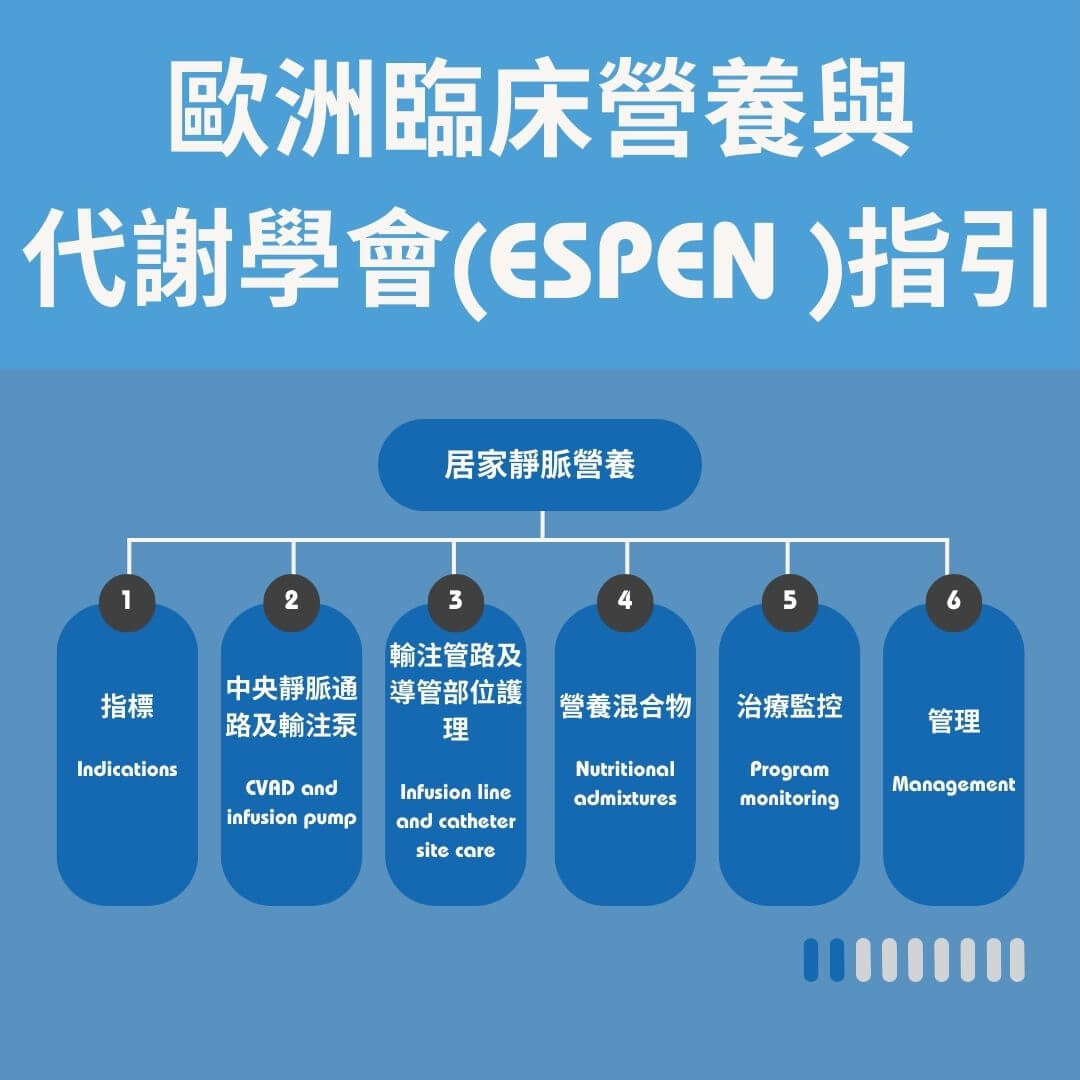
The European Society for Clinical Nutrition and Metabolism (ESPEN) has been instrumental in shaping guidelines for Home Parenteral Nutrition (HPN) since its inception.
In 2009, ESPEN released its inaugural guideline on HPN, marking a pivotal moment in the field. Subsequently, in 2016, ESPEN published guidelines for Chronic Intestinal Failure (CIF), specifically addressing benign diseases. These guidelines comprised 11 recommendations on HPN management, 17 on PN formulation, and 22 on the prevention and treatment of central venous catheter (CVC)-related complications. The year 2020 witnessed the release of another significant ESPEN guideline focusing on HPN, emphasizing safe administration practices and incorporating the patient's perspective.
Furthermore, in 2023, ESPEN introduced practical guidelines for home parenteral nutrition, featuring user-friendly flow charts designed to offer concise and precise recommendations for the safe and appropriate provision of HPN in clinical practice.
Selecting suitable candidates for Home Parenteral Nutrition (HPN) involves assessing various aspects such as indications, effectiveness criteria, and safety considerations.
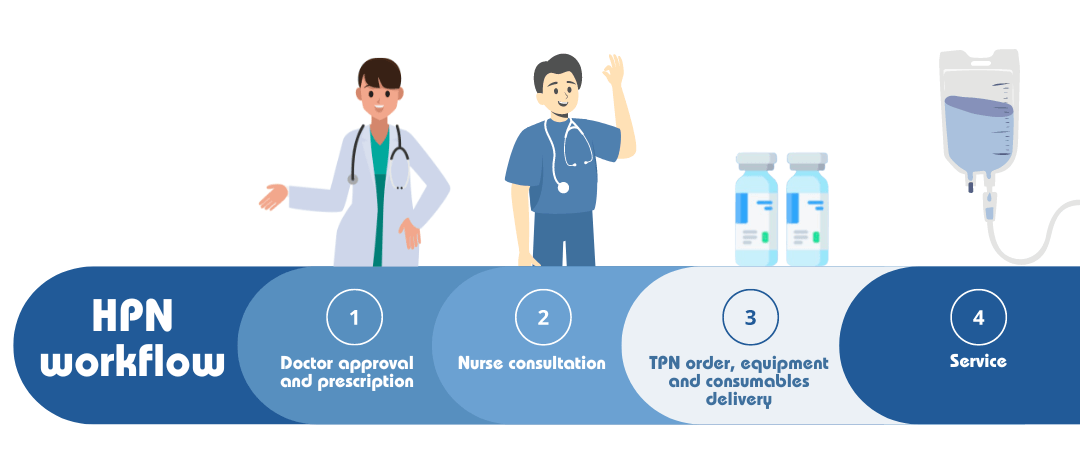
Our process begins with the Chief Doctor initiating the evaluation, leading to the formation of a Nutrition Support Team (NST) comprising a physician, dietitian, nurse, and pharmacist. However, in Hong Kong, this team composition often includes only a physician and nurse. Subsequently, our nurse manager conducts an initial assessment before the patient is discharged home, accompanied by informative leaflets and educational materials.
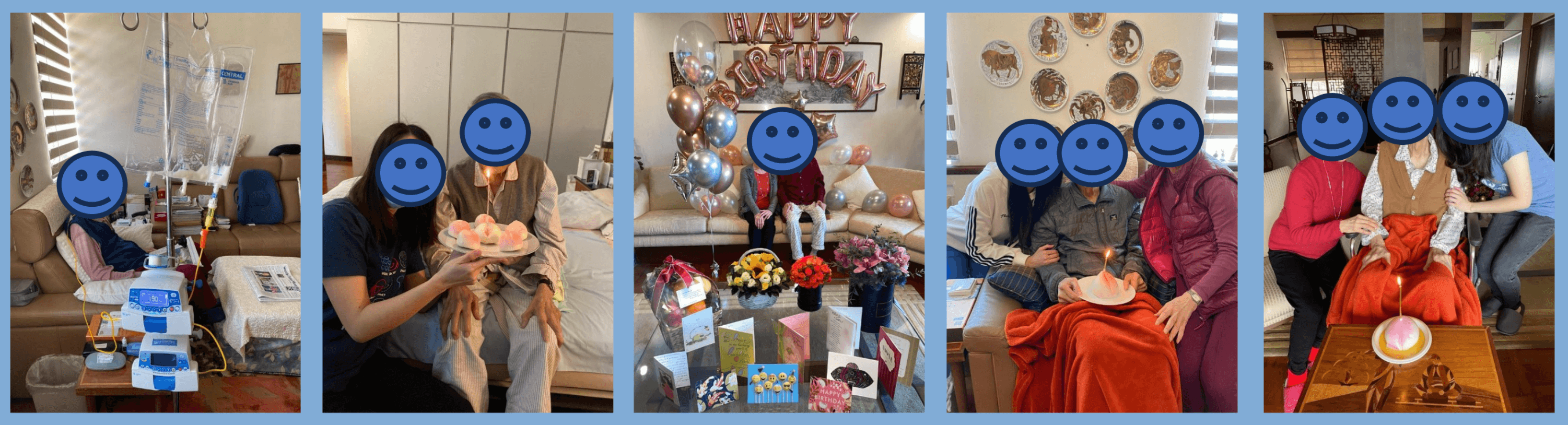
In April 2019, our journey into Home Parenteral Nutrition (HPN) in Hong Kong began with our first client, a 90-year-old male with a history of heart problems requiring a pacemaker, ischemic bowel disease, short gut syndrome, and a prior battle with tuberculosis. This individual was referred to us by a doctor, marking the inception of our HPN development efforts.
Our mission is to promote Home Parenteral Nutrition (HPN) and increase public awareness while educating healthcare professionals to enhance their understanding and utilization of this evolving treatment approach. In this handbook, we explore examples of parenteral nutrition, the work of ESPEN, home parenteral nutrition programs, and more.
Understanding Home Parenteral Nutrition
ESPEN Guidelines
Homelistic Healthcare HPN Workflow
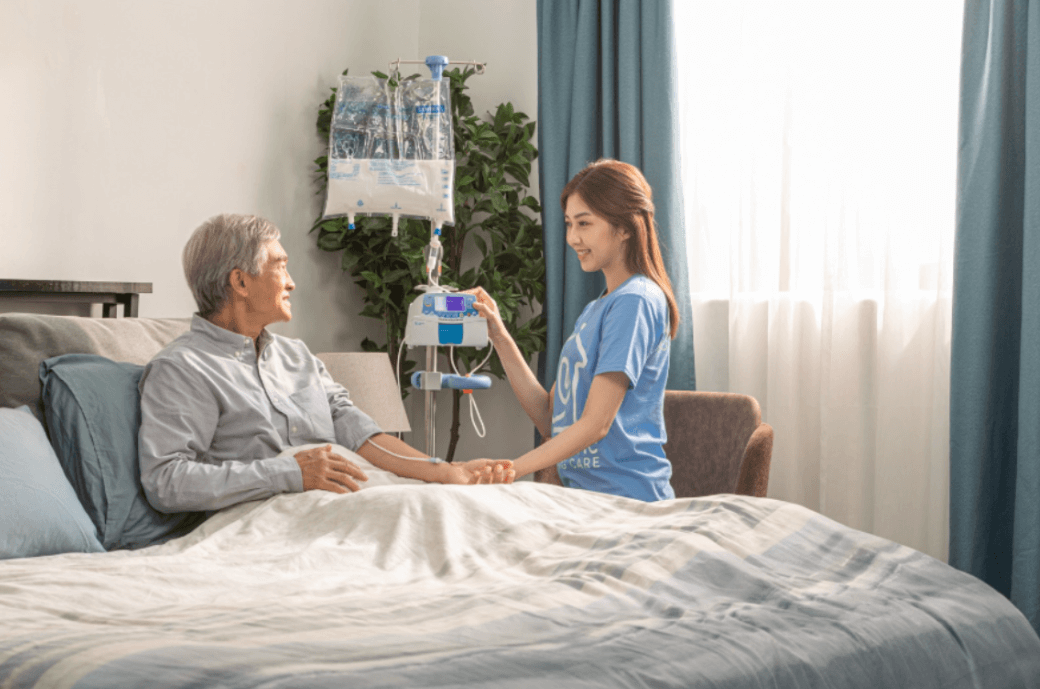
Although Home Parenteral Nutrition (HPN) is emerging as a progressive trend in home-based patient support, the landscape in Hong Kong currently lacks formalized policies, protocols, guidelines, and governance structures specifically tailored to HPN implementation. To foster the growth and success of HPN in Hong Kong, there is a pressing need for increased resources and comprehensive support to navigate the evolving landscape of home-based nutrition care effectively.
Concurrently, we are dedicated to optimizing our logistical workflow and system, aiming to bolster efficiency and effectiveness in the delivery of HPN services. Collaborative discussions are ongoing, exploring the viability of establishing a nutrition clinic and training center in partnership with Fresenius Kabi, underscoring our commitment to advancing patient care and professional development in the field.
By arming yourself with the knowledge and tools presented in this resource, you will be empowered to make informed decisions and take proactive measures to promote HPN with comprehensive understanding of how the ESPEN guideline helps.

System error.
Please try again.